Hand and Foot is a captivating, strategy-driven card game that has captured the hearts of card enthusiasts worldwide. If you’ve ever enjoyed Canasta or team-based card games, Hand and Foot offers a delightful blend of strategy, luck, and teamwork. In this guide, we’ll walk you through everything you need to know: from basic rules to advanced strategies, scoring, and even comparisons with similar games. By the end, you’ll be ready to host your own Hand and Foot game night with confidence.
Quick Answer: How to Play Hand and Foot
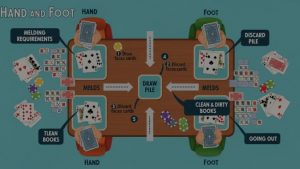
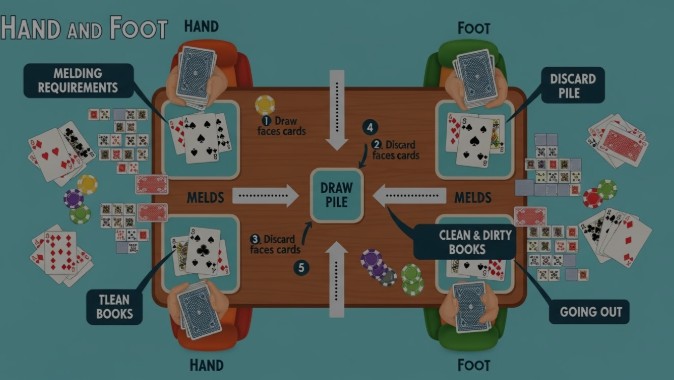
For those who want the short answer: Hand and Foot is a team-based card game where players aim to form melds of cards to score points and eventually “go out.” Each player is dealt two sets of cards: the “hand” and the “foot.” Players first play their hand and then their foot to maximize points. The game is typically played with multiple decks, including jokers and wild cards, and is best enjoyed with 4 players in two teams.
A typical round lasts 30–60 minutes, depending on player experience and scoring rules. The objective is to accumulate points by forming melds, completing special card combinations, and strategically using wildcards.
What is Hand and Foot?
History and Origin of Hand and Foot
Hand and Foot is a variant of Canasta, which itself evolved from the Rummy family of games. The game became popular in North America during the mid-20th century and has since become a staple in family gatherings and senior communities. Over time, players introduced variations and house rules, leading to a wide spectrum of ways to enjoy the game, from casual family play to competitive tournaments.
Basic Rules Overview
- Deck Composition: Typically, Hand and Foot is played with 5–6 standard decks, including jokers. Each player has two sets of cards: the hand and the foot.
- Card Rankings and Points: Jokers are wild and worth high points, red threes provide bonuses, and numbered cards have varying points that contribute to the overall score.
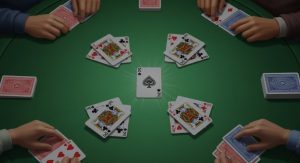
- Players: The game is commonly played with 4 players in two teams, but variations exist for 2–6 players. Each player plays their hand first, then their foot.
How to Play Hand and Foot: Step-by-Step Guide
Setting Up the Game
- Preparing Decks and Shuffling: Combine all decks and thoroughly shuffle. Each player receives two piles of 11 cards—the hand (to play first) and the foot (set aside until the hand is complete).
- Dealing Cards: Deal each player 11 cards for the hand and 11 for the foot. Remaining cards form the stockpile.
- Organizing Cards: Players sort cards by suits or by values, separating wildcards from natural cards for easier gameplay.
Game Play Basics
- Drawing Cards: At the start of their turn, players draw two cards from the stockpile or the top discard. Some strategies involve picking up larger discard piles to maximize points, but only if you can immediately use the top card.
- Playing Melds: Players form sets of three or more cards of the same rank.
- Natural Meld: All cards are natural (no wildcards)
- Mixed Meld: Includes wildcards (jokers and deuces)
- Discarding: At the end of each turn, players must discard one card onto the discard pile. Choosing the right discard can block opponents from forming melds.
Advanced Gameplay
- Going Out: A player can “go out” after playing all cards from their hand and foot, and meeting the minimum meld requirements. Teams must ensure all conditions are met before finishing the round.
- Scoring Points: Points are awarded based on the value of cards in melds and bonuses from red threes and other combinations. Wildcards boost scores but come with risks if melds are incomplete.
- Team Strategies: Coordinate with your partner to control the discard pile, reserve wildcards for high-value melds, and time when to play your foot for maximum points.
Common Variations of Hand and Foot
Standard vs Modern Variations
- Regional Differences: Rules can vary across states and countries; some allow more flexible melds or fewer decks.
- House Rules: Popular variations include limiting the number of wildcards per meld or modifying minimum points for going out.
- Fun Alternatives: Some players use scoring shortcuts or introduce “double rounds” for faster gameplay.
Hand and Foot Card Values and Scoring Table
| Card Type | Point Value | Notes |
|---|---|---|
| Joker | 50 | Wild card |
| Deuce | 20 | Wild card |
| Black 3 | 5 | Special rules |
| Red 3 | 100/500 | Bonuses for completion |
| Number Cards 4–7 | 5–10 | Standard points |
| 8–K | 10 | Standard points |
| Ace | 20 | High-value card |
Scoring Strategy: Maximizing points involves creating natural melds, strategically using wildcards, and completing red-three bonuses without giving away advantages to opponents.
Common Questions About Hand and Foot
FAQs
- How many decks are needed for Hand and Foot?
Typically, 5–6 decks are used, depending on the number of players. - Can you play Hand and Foot with 2 players?
Yes, but it’s more strategic and challenging with 4 players in teams. - What is the difference between “hand” and “foot”?
The hand is played first; the foot is saved for later to maximize points. - Are there official rules for Hand and Foot?
While there is no single governing body, official Canasta-inspired rules are widely accepted. - How do wild cards work?
Jokers and deuces act as wildcards and can substitute for other cards in melds. - Can you go out without using your foot?
No, the foot must be played to complete a round officially. - How long does a typical game last?
Average games last 30–60 minutes, depending on experience and scoring rules. - Are there online versions to practice Hand and Foot?
Yes, many websites and apps allow solo or multiplayer practice.
Tips and Strategies to Win at Hand and Foot
- Prioritize Melds and Wildcards: Focus on completing natural melds first. Use wildcards to fill gaps strategically.
- Timing Your Foot: Don’t rush into your foot; wait for optimal opportunities to maximize points.
- Defensive Discards: Pay attention to opponents’ melds and avoid discarding cards they can use.
- Partner Coordination: Use non-verbal cues or subtle strategies to communicate without revealing cards.
Hand and Foot vs Other Card Games
Comparison Table: Hand and Foot vs Canasta vs Gin Rummy
| Game | Players | Decks | Objective | Complexity |
|---|---|---|---|---|
| Hand and Foot | 4 (teams) | 5–6 | Score points, go out | Medium-High |
| Canasta | 4 (teams) | 2 | Score points, form melds | Medium |
| Gin Rummy | 2 | 1 | Form sets and runs | Low-Medium |
When to Choose Hand and Foot:
Choose Hand and Foot when you want a team-based strategy game with more depth, longer rounds, and greater scoring potential compared to Canasta or Gin Rummy. It’s perfect for social gatherings or competitive card nights.
Conclusion
Hand and Foot is more than just a card game it’s a blend of strategy, teamwork, and fun. From understanding the difference between your hand and foot to mastering wildcards and scoring, this guide covers everything you need to start playing confidently. By experimenting with variations, employing winning strategies, and practicing online or offline, you can fully enjoy this classic game while impressing your friends with your expertise.
So shuffle those decks, gather your teammates, and get ready to experience the thrilling world of Hand and Foot a game that’s as strategic as it is entertaining. For proper training and information visit Arch City Poker now!