
Pyramid Solitaire is one of the most engaging and strategic single-player card games, loved by casual players and enthusiasts alike. While the game may seem simple at first glance, proper setup is essential for maximizing your chances of winning. Whether you are playing with a physical deck of cards or using a digital app, knowing how to set up Pyramid Solitaire correctly ensures a smooth and enjoyable game.
In this comprehensive guide, we’ll cover everything you need to know from the basics and objectives to a step-by-step setup guide, variations, common mistakes, comparison tables, and frequently asked questions. By the end, you’ll be ready to master Pyramid Solitaire and play like a pro.
Quick Answer – How to Set Up Pyramid Solitaire
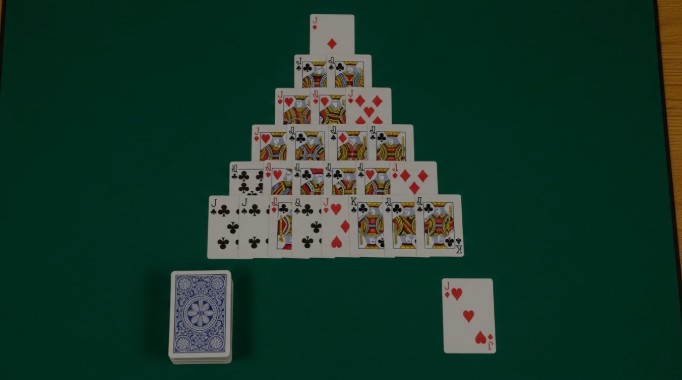
To set up Pyramid Solitaire, start with a standard 52-card deck. Shuffle the cards thoroughly and remove any jokers. Lay out 28 cards in a pyramid shape with seven rows, placing each card partially overlapping the two cards beneath it. The remaining cards form a stockpile or draw pile. The objective is to remove pairs of cards that sum to 13 until the pyramid is cleared. Proper setup ensures fairness, smooth gameplay, and better strategy opportunities.
Understanding Pyramid Solitaire
What is Pyramid Solitaire?
Pyramid Solitaire is a classic solitaire card game where cards are arranged in a triangular “pyramid” formation. The game dates back to the late 19th and early 20th centuries and has remained popular due to its combination of luck, strategy, and problem-solving. Over time, variations like Relaxed Pyramid and Tri-Peak have emerged, increasing the game’s appeal for players of all skill levels.
Objective of Pyramid Solitaire
The primary goal of Pyramid Solitaire is to remove all cards from the pyramid by forming pairs that sum to 13. Each card has a value corresponding to its number, with face cards assigned specific values (Jack = 11, Queen = 12, King = 13). Kings can be removed individually. A properly set-up game gives players more options for pairing, reducing the likelihood of being stuck. Strategic setup is key for clearing the pyramid efficiently.
Why Proper Setup is Crucial
A correct setup impacts gameplay directly. Misaligned cards, improper stock arrangement, or skipping rows can make the game unnecessarily difficult or unwinnable. Beginners often underestimate the importance of setup, leading to frustration. By ensuring every card is properly placed and the stock is arranged logically, players increase their chances of winning while enjoying a seamless game experience.
What You’ll Need to Set Up Pyramid Solitaire
- Standard Deck of Cards: 52 cards without jokers.
- Optional Digital Versions: Many apps and online platforms automatically handle layout but require knowledge of standard setup for strategic play.
- Playing Surface: A flat table or digital screen ensures the pyramid remains organized and easily visible.
Step-by-Step Guide – How to Set Up Pyramid Solitaire
Step 1 – Prepare the Deck
Begin by shuffling the 52-card deck thoroughly. Proper shuffling ensures random card distribution, which is crucial for fairness and challenge. Remove jokers as they are not used in standard Pyramid Solitaire games.
Step 2 – Build the Pyramid
- Lay out the first row with one card at the top.
- Place the second row beneath it with two cards, slightly overlapping the card above.
- Continue building the pyramid for seven rows, ending with a row of seven cards at the base.
- Ensure cards are visible and partially overlapping the ones beneath to allow strategic pairing.
Step 3 – Create the Stock and Draw Pile
- Place the remaining cards face-down as a stockpile or draw pile.
- These cards can be drawn one at a time (or in threes, depending on variation) to help remove cards from the pyramid.
- Proper stock placement ensures smooth gameplay and avoids confusion during play.
Step 4 – Start the Game
- Begin by identifying pairs of uncovered cards in the pyramid that sum to 13.
- Remove those pairs, then draw cards from the stockpile to continue forming pairs.
- Kings can be removed individually, giving you an immediate advantage.
- Focus on clearing top rows first to uncover more options beneath.
Different Variations of Pyramid Solitaire
Classic vs Relaxed Pyramid Solitaire
| Feature | Classic Pyramid | Relaxed Pyramid |
|---|---|---|
| Rules | Strict pairing | More forgiving with pair removal |
| Difficulty | Medium | Easy |
| Recommended For | Experienced or casual players | Beginners |
| Strategy Tip | Focus on top cards first | Remove pairs strategically without penalty |
Classic Pyramid requires more careful planning, while Relaxed Pyramid allows for mistakes and easier pairing, making it ideal for new players.
Online vs Physical Card Setup
- Online: Automatic layout, less prone to misalignment, convenient for mobile or PC.
- Physical: More tactile, better for learning strategy and card placement skills.
- Tips: In digital setups, practice proper stock use; in physical setups, maintain neat rows for clarity.
Common Mistakes When Setting Up Pyramid Solitaire
- Skipping or misaligning rows in the pyramid.
- Placing the stock or draw pile incorrectly.
- Ignoring strategy during setup, which reduces the likelihood of winning.
- Not removing jokers, leading to confusion during pairing.
Avoiding these mistakes ensures a smooth game and improves your chances of successfully clearing the pyramid.
Comparison Table: Types of Pyramid Solitaire Setups
| Setup Type | Deck Type | Difficulty | Recommended For | Key Strategy Tip |
|---|---|---|---|---|
| Classic Pyramid | Standard 52 | Medium | Beginners & casual players | Focus on top pairs first |
| Relaxed Pyramid | Standard 52 | Easy | Beginners | More forgiving with card removal |
| Tri-Peak Variation | Standard 52 | Hard | Experienced players | Plan moves ahead in multiple pyramids |
| Digital Pyramid | Digital/Deck | Medium | Mobile/PC players | Auto-layout makes setup faster |
Frequently Asked Questions (FAQs)
Can I play Pyramid Solitaire with two decks?
Yes, but the game changes in difficulty and strategy. Two decks provide more pairing options but require careful planning to avoid blocking cards.
How many cards are in a standard pyramid layout?
A standard Pyramid Solitaire layout uses 28 cards arranged in seven rows, from one card at the top to seven at the base.
What is the best way to shuffle before setting up?
Shuffling thoroughly by hand multiple times or using a digital shuffle ensures fair randomization. Avoid partial shuffles that leave clusters of high or low cards together.
Can Pyramid Solitaire be won every time?
No. The game involves luck and strategy. Some setups may be impossible to clear depending on card distribution.
Are there digital versions that auto-setup the pyramid?
Yes. Many apps and online platforms handle layout automatically, which can help beginners focus on strategy rather than setup.
What is the easiest variation for beginners?
Relaxed Pyramid Solitaire is ideal for beginners due to its forgiving rules and simpler strategy requirements.
Can I rearrange the pyramid if I make a mistake?
In physical setups, you can correct misalignment before starting. In digital games, the layout is typically fixed once the game begins.
How long does a typical game take?
Most games last between 5–15 minutes, depending on the player’s strategy and familiarity with the rules.
Conclusion
Learning how to set up Pyramid Solitaire correctly is essential for enjoying the game and increasing your chances of winning. From properly building the pyramid and arranging the stockpile to understanding variations and avoiding common mistakes, every detail matters. By following this guide, you’ll be ready to play confidently, whether with a physical deck or digital platform. For proper training visit Arch City Poker now!
Mastering setup opens the door to strategic gameplay, allowing you to experiment with variations like Classic, Relaxed, and Tri-Peak Pyramid Solitaire. So grab your cards or open your favorite app and start building your pyramid with confidence!